The Fish Sign in Palmistry: Shape, Placement, and Symbolic Meaning
In palmistry traditions, the fish sign is a small mark that source commentary places on the mounts or along the lines of the hand. In her 2020 guide, palmistry writer Auntyflo notes that the figure looks very similar to an island and links it symbolically with hope, rather than guaranteed future events.
How Source Commentary Describes the Fish Sign and an Island
Readers comparing minor markings can review the broader guide to palm signs to see how traditional handbooks group small figures separately from the major creases of the hand.
Auntyflo's May 9, 2020 article on the fish sign states that the formation looks very similar to an island on the palm. Because fine skin creases often form small loops or enclosures, two observers looking at the same mark may read its outline differently.
Because both markings involve a small enclosed loop on the palm, Auntyflo presents the island comparison as a visual reference rather than a strict geometric test. Treating the shape as an approximate resemblance helps readers avoid reading rigid identification rules into minor skin folds.
Where the Mark Is Placed on the Palm
Auntyflo describes the fish sign as appearing either on the mounts or on the lines of the palm. This general placement covers both the raised pads of the hand and the surface creases that cross it.
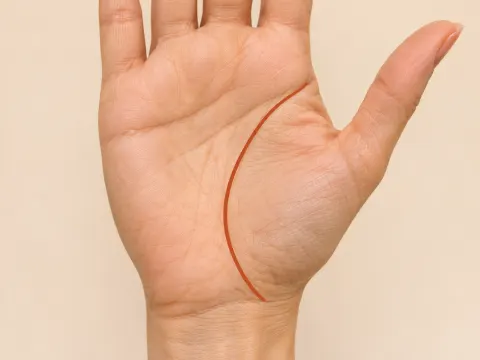
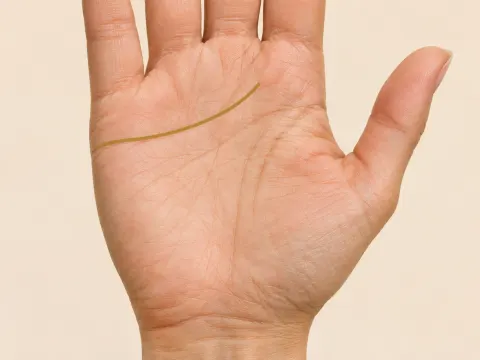
When looking at your own palm, it helps to separate the three main creases—the life, heart, and head lines—from smaller loops or surface marks nearby. Minor formations sit alongside or across those primary creases, and how they look depends heavily on lighting and how you hold your hand.
Symbolic Themes and Limits of Interpretation
Auntyflo associates the fish sign with hope as a symbolic theme. In traditional palm reading, such motifs serve as prompts for personal reflection rather than factual descriptions of character or destiny.
A mark on the palm does not predict income, financial windfalls, rescue from difficulty, health outcomes, lifespan, or guaranteed life events. Reading a small loop as a symbol of hope belongs strictly to interpretive folklore, not to medical diagnosis or personal finance.
How We Write About Palmistry and Line Observation
This reference article presents palmistry as a historical and symbolic belief system, attributing specific visual comparisons and themes to named writers rather than stating them as established facts. Our guides do not assign separate meanings by gender or treat minor palm marks as indicators of marriage, pregnancy, wealth, or future events.
Our free three-line observation focuses on the major creases rather than minor figures.
In the ReadThePalm palm reading tool, photo-based observation focuses on the three main lines—the life line, heart line, and head line—for entertainment and self-reflection, while smaller palm signs are covered in reference articles.
Last updated: October 31, 2026