The Sun Line on the Palm: Location, Names, and Traditional Meaning
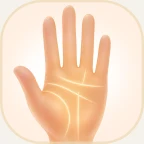
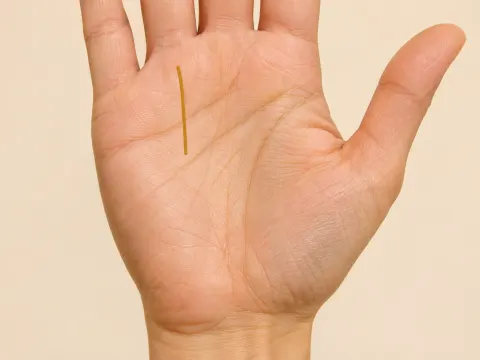
In traditional palmistry, the sun line—also called the Apollo line or line of success—is a vertical crease running toward the mount beneath the ring finger. Readers such as The Old Farmer's Almanac associate it symbolically with creativity and recognition, though these interpretations reflect folklore rather than guaranteed success, fame, or income.
Where Is the Sun Line on Your Palm?
Palmistry guides such as Auntyflo and Arcanum describe the sun line as a vertical crease running toward the base of the ring finger, an area traditionally known as the Mount of Apollo (or Mount of the Sun). Although the mount and the line share a name, the raised pad of the palm and the crease itself are distinct features.
For a broader look at how major and secondary creases fit together, see our guide to palm lines.
Because vertical creases on the palm can look similar at a glance, beginners often compare the sun line with neighboring lines to tell them apart:
- Target finger: The sun line heads toward the ring finger, whereas the fate line typically runs up the center of the palm toward the middle finger.
- Role in a reading: While The Old Farmer's Almanac links the fate line to a person's broader life path, it connects the sun line to creative expression and public recognition.
Why Is It Called the Apollo Line or Success Line?
In Western palmistry, the ring finger and the pad beneath it are named after Apollo, which is why sources like Auntyflo use "sun line" and "Apollo line" interchangeably. Popular guides also refer to it as the "success line" because traditional lore connects this part of the hand with visibility, artistry, and public regard.
These labels are symbolic conventions rather than factual predictions. Having a pronounced crease under the ring finger does not guarantee career achievements, fame, or financial return, and not having a visible sun line does not prevent them.
What Does the Sun Line Mean in Palmistry?
Traditional palm reading treats the sun line as a prompt for reflecting on how a person approaches creative work and visibility. The Old Farmer's Almanac reference table links the line with creativity and recognition.
When looking at this crease, readers generally keep two boundaries in mind:
- Folklore, not fortune-telling: Symbolic themes from palmistry texts describe cultural traditions, not fixed personality traits, future events, or measurable talent.
- Distinct from financial lines: Although popular questions sometimes blend recognition with wealth, palmistry separates the sun line from creases discussed on our money line page.
Multiple Sun Lines and Shape Variations
When examining the palm beneath the ring finger, people may notice a single vertical crease, several parallel creases, or lines that appear short, long, or faint. Reference guides such as Auntyflo, Arcanum, and The Old Farmer's Almanac focus on the line's path toward the Mount of Apollo and its symbolic link to creativity and recognition. Differences in the number, length, or visibility of these creases remain simple visual observations.
In symbolic palmistry, the number or depth of creases under the ring finger never guarantees wealth, popularity, or career outcomes.
Free Observation of the Three Main Lines
In the ReadThePalm web experience, a free observation covers the three primary creases—the life line, heart line, and head line—as an introductory way to explore palm reading for self-reflection.
Related Palm Lines
- Palm Lines Overview — how the major and secondary creases are organized across the hand.
- The Fate Line — the central vertical line traditionally linked to life path.
- The Money Line — how palmistry traditions discuss wealth-related creases without financial guarantees.
- Palm Mounts — the raised pads of the hand, including the Mount of Apollo beneath the ring finger.
How We Write About Palmistry
We present palm reading as a historical and symbolic tradition for personal reflection. We attribute specific interpretations to named reference sources—such as The Old Farmer's Almanac, Auntyflo, and Arcanum—and do not treat palm creases as scientific, medical, or financial evidence.
Last updated: October 31, 2026